
Twenty-Five Gates

My daughter graduated from Harvard last week.
I’m still wrapping my head around how proud that makes me. But I want to tell you about something I noticed before the ceremony even started, something I’m still pondering.
Harvard Stadium holds 30,000 people. It’s right there, just across the river in Allston. It’s designed for exactly this kind of crowd.
They didn’t use it.
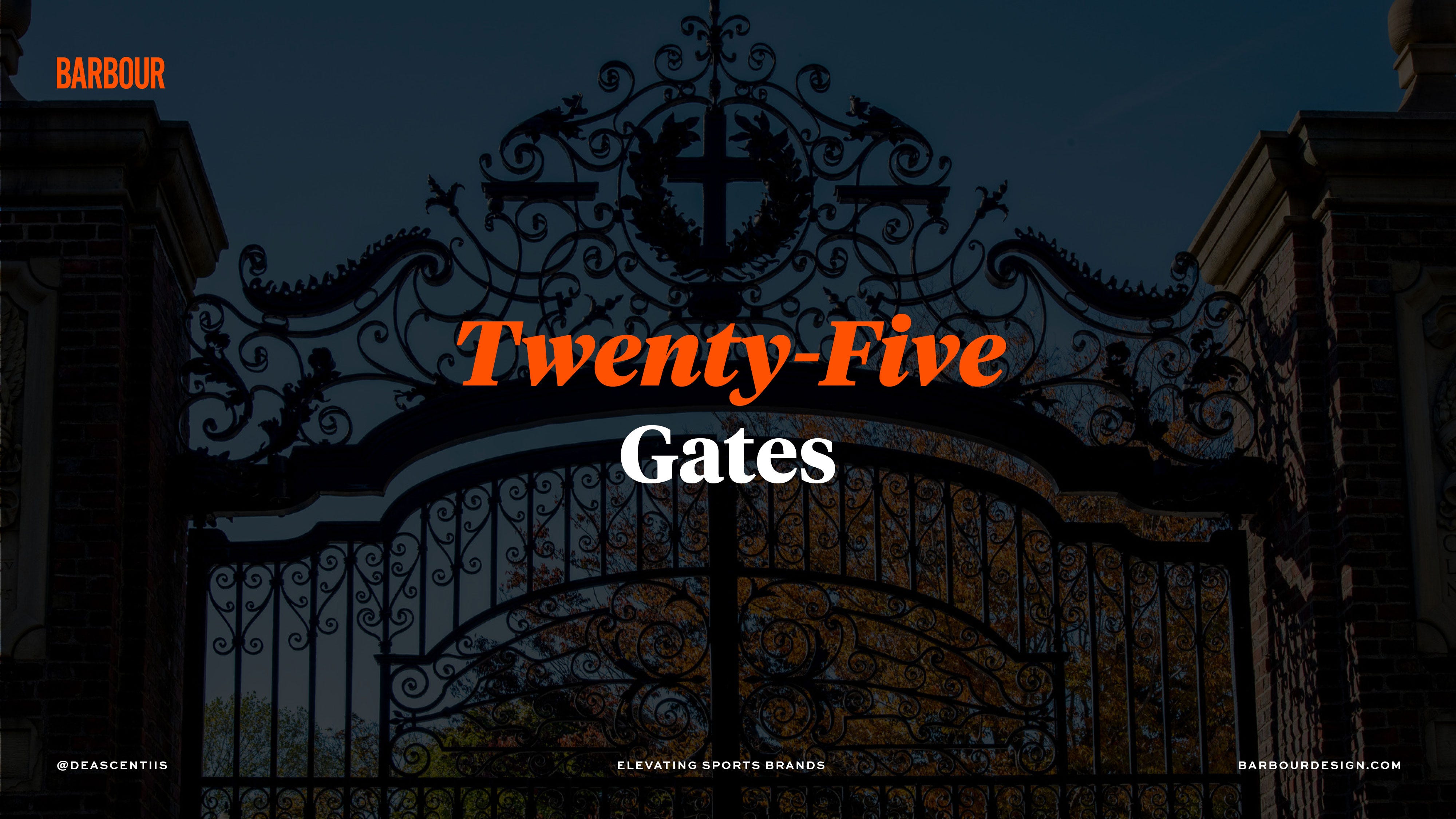
Instead, they packed tens of thousands of people into Harvard Yard, a space bisected by buildings, broken into fragments, lined with old trees that narrow sightlines and complicate the flow. To get in, there’s not one or two entrances. There are twenty-five historic gates. Twenty-five. Each one monitored, managed, and filtered. The logistics are, by any operational standard, a problem they’ve chosen not to solve.
I watched the crowd move through and kept thinking: someone could fix this. You could streamline this. You could optimize it into something far more efficient.
And then I stopped myself, because I think that’s exactly the point.
The friction isn’t incidental. The gates, the trees, the compressed space, they’re not bugs in the system. They are the system. The difficulty is what signals that something real is happening here. You’re not filing into a stadium. You’re entering something older than optimization, something that decided a long time ago that the way you arrive is part of what you’re arriving at.
I keep thinking about how many things we try to make easier, and whether easier always means better.
There are institutions built for efficiency. And there are institutions built to endure.
What has your organization protected from optimization, and does it still know why?